Tim Trow had one sacred rule for the Toronto Humane Society: save every pet. But the shelter grew overcrowded and chaotic, the staff mutinied, and the police shut the place down.

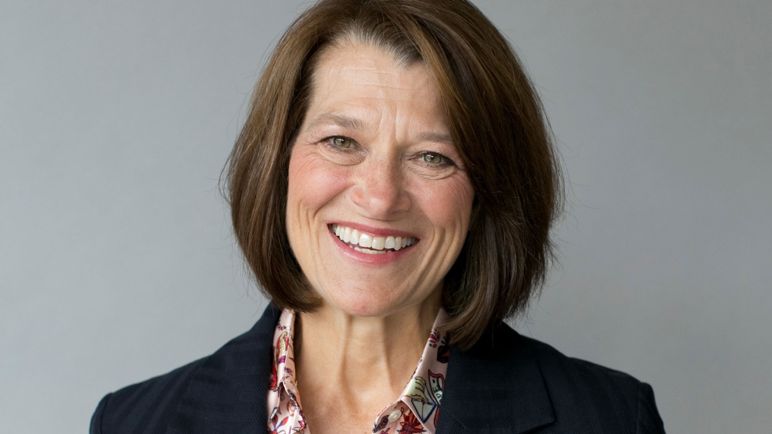
Tim Trow, in his midtown home, became obsessed with animal welfare during a childhood spent on a North York farm (Image: Rob MacInnis)
Bandit was less than two years old when he arrived in August 2003 at the squat River Street building occupied by the Toronto Humane Society. A dark brown pit bull–Labrador cross with a square face, he was surrendered by his owner after he attacked her three-year-old grandson, leaving him with head wounds that required 200 stitches.

Bandit found an ally in Tim Trow, the society’s president at the time. Trow, a tall, imposing 300-pound lawyer with short greying hair, kept the dog loose and unmuzzled in the THS meeting room he used as his office. They shared the space with as many as 30 caged cats and kittens. Bandit would bark and lunge at their cages, and once closed his powerful jaws on a mother cat’s front paw, pulling off the skin and tissue—“degloving” it, as veterinarians say—and fracturing several bones.
Bandit became a symbol of the lengths to which Trow would go to reduce the THS’s euthanasia rate to almost nil. He protected diseased and aggressive animals, even those that were considered to be dangerous or close to death. The biggest obstacle in Trow’s crusade was the Ontario Society for the Prevention of Cruelty to Animals, the provincial body that oversees 46 branches and affiliate shelters, including the THS. To Trow, the OSPCA represented the worst kind of animal management, prioritizing population control over care.
The directors of the OSPCA, in turn, suspected Trow was an out-of-control zealot who put his staff at risk by sheltering animals like Bandit. Many employees said they were scared of the dog and kept their distance, and at least three complained of being bitten. The OSPCA heard numerous complaints about Trow’s management style and his vindictiveness toward any staff member who disagreed with him. And they believed his reluctance to euthanize had resulted in a facility where almost every room, including Trow’s office, was crowded with neglected animals.
The OSPCA’s directors decided Trow had to go: the THS had become a mismanaged sanctuary, with Trow and his team collecting animals that the staff couldn’t begin to take care of. To get rid of him, they’d have to prove that the city’s biggest self-professed lover of animals was a torturer and a criminal.
The OSPCA, which formed in 1873, is an organization with unusual powers: a charity that enforces provincial laws. In addition to running animal shelters, the OSPCA hires and licenses inspectors, called peace officers, who work on behalf of the Ministry of Community Safety and Correctional Services to investigate incidents of animal cruelty by individuals and by operations like puppy mills. Although it receives government funding to train inspectors, it relies on charitable donations to carry out its enforcement work. (In 2009, it received gifts worth $15.6 million.) In the decades after the OSPCA’s founding, as various humane societies formed across the province, many joined forces with it. Branches are now governed by the main OSPCA office in Newmarket, while affiliates manage their own affairs and hire their own inspectors.
The THS is the rebel affiliate of the OSPCA family. It was launched 14 years after the OSPCA, by John Joseph Kelso, a Toronto journalist who was concerned about the cruel treatment of animals in the city. Many of the THS’s recent members were involved in or influenced by the 1970s radical animal rights movement, which condemned the subjugation of animals in society. One THS president staged a hunger strike protesting medical testing on animals; others have organized campaigns against the fur industry and whaling.
The practice of euthanasia has been the biggest flashpoint in the OSPCA’s dispute with the THS. Before deciding to euthanize an animal, veterinarians typically consider its level of pain or distress, the probability of curing serious diseases or chronic medical conditions, and whether the animal is aggressive or dangerous. An overdose of the drug phenobarbital is injected into a vein on a front leg (more common for dogs) or hind leg (more common for cats, who dislike the anaesthetic’s smell of alcohol). The phenobarbital usually shuts down the animal’s heart and lungs within a minute, sometimes before the full dose is delivered. It induces sleep, making for a calm death, although reflex brain activity will sometimes make an animal twitch.
The THS—especially under Trow—kept euthanasia rates low. He argued that if our hospitals didn’t have enough beds, or if pneumonia was prevalent there, we wouldn’t exterminate the patients. The OSPCA and most other shelters regularly dole out lethal injections in order to keep the shelter population under control or to cope with infectious diseases. This past May, there was a public outcry when the OSPCA’s Newmarket shelter revealed plans to euthanize more than 300 animals because of a ringworm outbreak. (Ringworm, similar to athlete’s foot in people, is contagious but curable and not terribly painful.) In the end, the OSPCA euthanized 102 cats while protesters lined the streets demanding the animals be spared.


Oh and I thought the fight between the THS and the OSPCA had to do with having to fight for the same animal lovers dollar. This article is very one sided. A 50% KILL RATE is NOT acceptable and speaks to how TERRIBLE a shelter is run. I wonder what the OSPCA’s KILL rate is and WHY does THAT charity have POLICE POWERS with NO oversight? What nut jobs made THAT decision?
January 26, 2011 at 1:42 pm | by WatchdogThere were many sane people who worked at the THS during Tim Trow’s tenure as volunteers, animal care workers, vets and business professionals in marketing, fundraising, communications, etc.
January 26, 2011 at 6:17 pm | by MadeleineTrow’s mismanagement came from far more than just ruling with an iron fist to help the animals and lower the euthanasia rate. People quit (and stopped donating, volunteering, supporting, etc) because he was an unstable, unprofessional, inappropriate individual who should never have been given the responsibility of running a shelter and a business.
He ended up hurting animals by not empowering the vets to make the appropriate decision on how to care for a particular animals, and not addressing the root of the problem of overcrowding which was spaying/neutering. During his tenure, there was no policy in place and as such, most animals left the shelter unfixed. Instead, his focus was on boasting about the low euthanasia rate.
As a result, the animals did not receive proper care and the conditions were appalling under his direction.
It’s unfortunate that an organization with such a solid support base was neglected and left to sink for so long. It will be that much harder to restore their reputation now.
This article is a random collection of facts that does not address the real issue: this is NOT about Tim Trow or the OSPCA. It IS about the animals that were caught in the crossfire between politics, power, personal feelings and revenue for the THS. Tim Trow recognized that donated monies rose as the euthanasia rate went down. So animals suffered. The OSPCA is equally culpable here, but I’m tired of hearing about Mr. Trow’s hardships… I am not one who is quick to kill animals with behaviour issues, but I am quick to criticize Mr. Trow for not finding a professional who could properly rehabilitate Bandit, for allowing Bandit to continue to live in a state of mental chaos, for confining Bandit to a luxury cell and for putting other people and animals (that he was accountable to, whether he recognizes it or not) at risk. Mr. Trow’s arrogance and political agenda are responsible for the painful lives and deaths of so many animals. And if these things don’t haunt him before he goes to sleep at night, then I don’t know what could.
January 26, 2011 at 10:02 pm | by CherylWell said Cheryl! All points I’d have made, but you did it for me. Bandit was AFRAID. Not only were staff afraid of him, he was afraid of them. He should have been protected and preventing rehearsal of any of the aggressive behaviours, cause as you know, practice makes perfect. Was he hoarding these animals? It sure sounds that way n
January 27, 2011 at 12:33 am | by JodiMr. Trow was indirectly responsible for the death of my cousin who was an employee of THS. He was bitten by a diseased cat which led to blood poisoning when he was pressured to return to work with this terrible infection. They did not report this to the WSIB in order to keep their employee injury rating at what they thought was an acceptable leve. Shame on him and all the others who ran THS for putting animals before the safety of their staff!!!
January 27, 2011 at 9:09 am | by lenaMost of you people are insane.
A life, even if imperfect is better than death.
Yes, the OSPCA has nice, squeaky clean cages with happy animals. That’s because they kill all the ones in the back rooms that don’t meet that standard.
Trow did everything he could to keep these animals alive. Granted, he took some extreme measures, but the suggestion that he cared more about money than the animals is ludicrous. He worked 7 days a week, 16 hours a day, for free and you idiots think he cared about the money?
He cared about sustainability, creating more spaces for the animals and saving as many lives as possible.
There are some medical facilities in the 3rd world that aren’t great, but keep people alive. Do you suppose, some heroes should go in there and just kill all of those people, so they don’t suffer?
January 27, 2011 at 10:42 am | by jariaxArticles like this helps me decide where I donate my money. I would never donate to this organization again. I don’t believe that they used the money to better the lives of animals given up for adoption. I have lost all trust in The Toronto Humane Society.
January 27, 2011 at 1:57 pm | by brooklin99When this was happening in the fall of 2009,I was in the market for a pet and visited Toronto Humane many times. My dog who was from THS had been put down in August at the age of 12; she had been a wonderful pet and so I returned to find another. However, I was appalled that there were dogs waiting for adoption who were 14 years of age; cats who looked very ill and were over 15 years of age. The place was dirty, smelly and crowded; cats were in cages with their feces; young workers seemed to be struggling to keep up. Tim Trow was sitting in the lobby with a friend and he had a temper tantrum while I was there, shouting and screaming at an employee; his outburst was frightening. There were a few animals I felt a connection with, but many of the animals seemed distressed; they all sense when things are not right! I could not make a choice and returned later with my husband who was totally put off by the conditions. I was drawn to a black spaniel but before I could get back, the “raid” occurred.
January 27, 2011 at 4:05 pm | by SusanThen the OSPCA drama made the news. I was and continue to be totally disgusted by both agencies. I withdrew my financial support of the OSPCA and THS and am looking for other ways to help the animals. We have adopted a dog from the Hamilton SPCA. I love most dogs and cats; it is too bad that too many fanatical and stupid humans have so much power over them. Maybe I will pop by THS to see if the atmosphere has improved.
May Tim Trow live a very long life… in a hospital bed, neatly tucked into a hospital ceiling where his cries can be ignored until they eventually stop… and somebody doing a newspaper article that launches an investigation may one day discover a mummified Trow. That would be a fitting end to this tail…
January 27, 2011 at 4:40 pm | by SandyI had one occasion to meet Mr. Trow and that was enough. It was an experience I will never forget. I was seeking the assistance of THS to secure the return of my dog, adopted from the THS, which had been stolen by someone. Mr. Trow was belligerent, unsympathetic and basically just plain obnoxious. When I attempted to explain to him that the contract I signed with THS, upon adoption of my dog, gave them the right to revoke my adoption and repossess the dog, he completely ignored me and walked away as though I wasn’t even engaged in a conversation with him. The man possesses no people skills, no tact, and it is a complete mystery to me how on earth he ever became head of the THS. Good Riddance!
January 27, 2011 at 11:03 pm | by TrudiAlthough I am fond of animals and when the children were young had a few, mainly because we felt that ownership would help them understand what responsability meant …It has paid off in spades.
But all those people out there should look to the world of poverty and what that means to others and take their hands off their hearts and do something!!!
January 28, 2011 at 12:38 pm | by Reva Dolgoyits not about the animals its about money and power bc is in a mess some think has to give having health animals stollen in front of there must be lawyers working on this mess with spca i heard there legal students investicating spca
January 28, 2011 at 6:23 pm | by fayeOne of my cats was originally a foster cat from Mr. Trow’s foster care program. He had been a stray hit by a car and his back end was crushed. A friend nursed him back to health, and I eventually met him and fell absolutely in love with him. My friend let me adopt him and I had his companionship for many years before I eventually had to euthanize him for advanced cancer of the mouth. My kitty was beloved by all that met him and when I knew I had to say goodbye to him, I took him around to the neighbours so they could say goodbye too. If the THS hadn’t given my kitty that chance at life, I never would have met him and my life would have been much poorer. Many people would have given up on him and said he wasn’t worth saving. He was, and I am so grateful to have had that time with him.
The THS wasn’t perfect, and neither is Mr. Trows – passionate people are rarely wonderful diplomats. I guess I believe the same as he does – that animals are as deserving of life as humans, and that if we wouldn’t kill a human being under the same circumstance, we shouldn’t kill an animal either. I do believe in euthanasia for humans, and for animals, under very specific circumstances. I don’t believe in the death penalty.
We love our animals so often, but we so often abuse them too. The story is heartbreaking because now more animals will be euthanized that don’t have to be. Why can’t we build more shelters, put more money into them, more vet care, spay and neuter them? Give them a chance, rather than just say they aren’t worth saving? Surely our loving companions deserve more than this.
January 29, 2011 at 6:08 pm | by ArwenCheryl’s comment is excellent. The article is unfocussed. It’s ridiculous to say that “For all Trow’s faults, his passionate activism had a following,” in an attempt to explain the donation revenue losses. Surely many donors had no idea of the horrible suffering of animals that was going on in there.They cancelled or reduced their support in response to the scandal, and it will take a long time for the new THS to win back that lost credibility. The economy also has to be behind some of the revenue drop. I was always skeptical and felt uneasy about that low euthanasia figure.
February 5, 2011 at 9:29 pm | by JemoTrow’s euthanasia numbers were so low because he made them up. Morris would have done well to get the real numbers which show a terrible mortality rate, low adoption rates and thousands of dead in their cages from neglect. This is just one of the many misrepresentations in the article which a little responsible journalism would have uncovered. I wonder why Morris didn’t bother to put in that the THS was found to have breached Section 10(1) of the charities accounting act, and that the board was dissolved as a result? The criminal charges weren’t persued for who-know’s-why, but they were sure proven in Civil court.
February 7, 2011 at 9:10 pm | by Steve